
Water & Laundry
How Much Does It Cost to Do a Load of Laundry?
Washer, water, hot water and dryer: the full cost of one load, and the settings that change it most.
3 min read
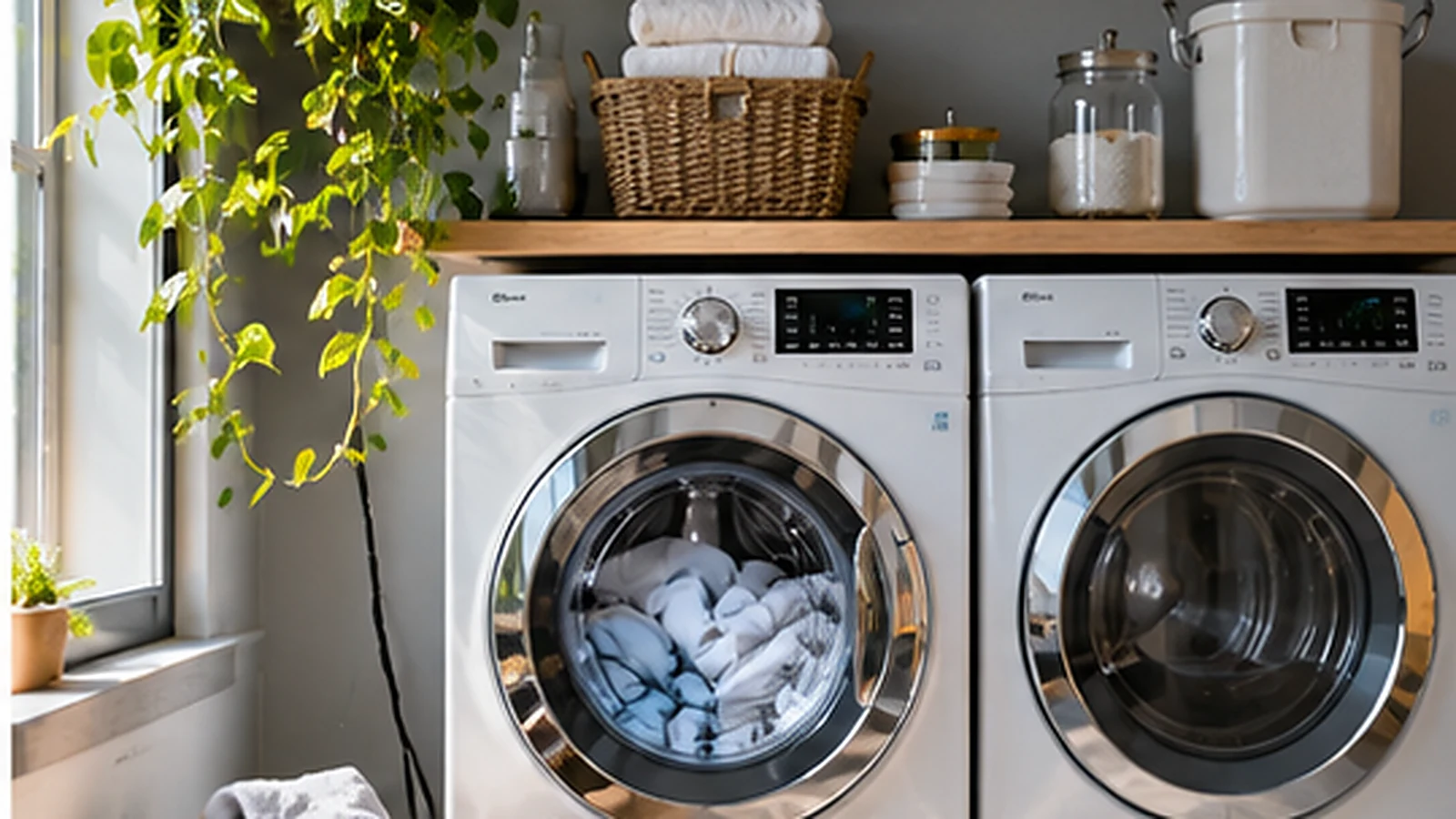
The cost of a load of laundry is more than the washer's electricity use. Water, sewer, water heating, dryer energy and detergent can all matter. One household's cold-water load air-dried indoors will cost much less in energy than a hot wash followed by a long electric-dryer cycle. You can estimate your cost by pricing each part rather than relying on a national "cost per load" figure.
Add the components, one at a time
Total variable cost per load = washer electricity + dryer energy + water + sewer + energy for water heating + consumables.
Be careful not to double-count water heating. If your washer's reported annual kWh already incorporates an assumed hot-water contribution, do not add the same energy again. EnergyGuide and ENERGY STAR metrics can use standardized test assumptions; read what the particular figure measures.
Here is an illustrative cold-water wash with an electric dryer:
| Component | Assumption | Cost |
|---|---|---|
| Washer electricity | 0.25 kWh × $0.18 | $0.05 |
| Dryer electricity | 2.5 kWh × $0.18 | $0.45 |
| Water + sewer | 20 gallons × $0.012/gallon | $0.24 |
| Detergent | Example per-load portion | $0.20 |
| Approximate total | $0.94 |
The washer and dryer kWh figures are hypothetical per-cycle values; they are not promises for a specific machine. Water and sewer rates in particular differ widely in how fixed charges, tiers and minimum charges are handled. The table assumes no additional hot-water-heating energy because the wash uses cold water.
Heating wash water can change the math
If a wash uses an additional 10 gallons of hot water heated from 60°F to 120°F, the useful heat needed is approximately 10 × 8.34 × 60 = 5,004 BTU, or 1.47 kWh of heat. An electric resistance heater at 100% conversion would require roughly 1.47 kWh of electricity before tank and distribution losses, costing about $0.26 at $0.18/kWh. Actual hot-water volumes, mixing, equipment efficiency and heat losses can change this significantly.
A gas water heater requires a fuel-based calculation instead. Never add an assumed electric hot-water charge if the same hot-water cost has already been included in your estimate.
Drying often changes the result most
An electric resistance dryer can use more electricity than the washer motor for a cycle. Drying time depends on fabric, moisture remaining after the washer's spin cycle, load size and dryer operation. Over-drying wastes energy. Use the moisture-sensor setting when available and clean lint filters according to the manufacturer's instructions; improper lint maintenance also presents a safety concern.
Air drying avoids most dryer energy use, though indoor drying can affect indoor humidity. Heat-pump dryers use a different process from conventional vented resistance dryers, so their consumption should be compared using actual model information.
How to estimate your household's monthly laundry budget
Multiply per-load cost by loads per week, then by 52 ÷ 12 for an annualized monthly average. At $0.94 per load and five loads per week, the estimated annual variable cost is $244.40, or about $20.37 per month. That does not include the purchase price, repairs or other costs of owning laundry equipment.
ENERGY STAR reports that qualifying washers can reduce water and energy use relative to conventional models, but individual savings depend on the particular machine and household pattern. Use current product labels for comparisons instead of assuming every newer machine performs identically.
Use the Laundry Cost Calculator with your washer, dryer and local water assumptions. If you need help reading volume charges, see how to calculate water and hot-water costs. The most useful per-load estimate includes all variable charges that change when you wash another load.
Sources and further reading
More on water & laundry

Water & Laundry
How to Calculate Your Water and Hot Water Costs
Reading a water bill in gallons or CCF, tiered rates and sewer charges — plus what heating the water costs.
3 min read