
Appliances & Electronics
How Much Does It Cost to Run LED Lights?
LED vs. CFL vs. incandescent at the same brightness, and how quickly switching pays for itself.
3 min read
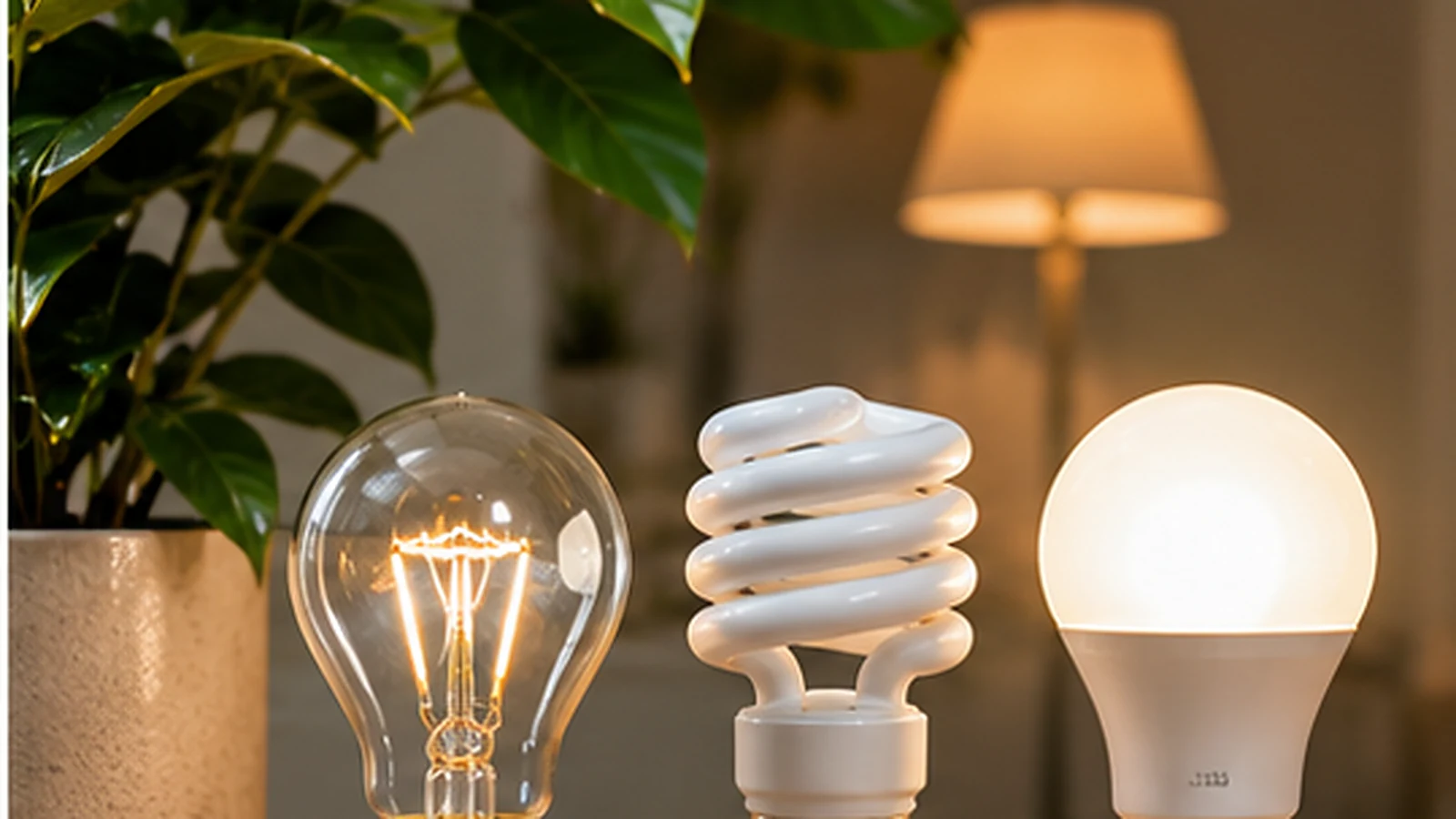
An LED bulb rated at 9 watts costs about $0.0049 to operate for three hours at an example electricity price of $0.18 per kWh. That's less than half a cent a day, or about 15 cents in a 30-day month. One bulb is inexpensive to operate, but lighting use across a home adds up—and the biggest comparison is usually with older incandescent bulbs providing similar brightness.
Compare bulbs by lumens, not watts
Lumens measure light output; watts measure electricity use. A 9-watt LED and a 60-watt incandescent can provide roughly comparable light output, though exact brightness and color characteristics depend on the specific products. Replacing a lamp with a different brightness level isn't a like-for-like energy comparison.
For this illustration, assume all bulbs provide an approximately similar useful light level and operate for three hours a day, every day for 365 days, at $0.18/kWh.
| Illustrative bulb | Power | Annual energy | Annual energy charge |
|---|---|---|---|
| LED | 9 W | 9.855 kWh | $1.77 |
| CFL | 14 W | 15.33 kWh | $2.76 |
| Incandescent | 60 W | 65.7 kWh | $11.83 |
The dollar difference between the example 60-watt incandescent and 9-watt LED is about $10.06 per bulb per year. Multiply by the actual number of lamps and realistic operating hours. Not every light is on three hours daily.
How to calculate your home's lighting cost
Use total watts ÷ 1,000 × hours × dollars per kWh. For example, six 9-watt LEDs used four hours each day consume 0.216 kWh daily. Over 30 days, that is 6.48 kWh, costing $1.17 at $0.18/kWh.
If a room has multiple fixture types or schedules, calculate them separately and add the results. Exterior lights on dusk-to-dawn schedules can accumulate more hours than rarely used closets. Motion sensors and timers may help where lights otherwise stay on unnecessarily.
How fast does replacing a bulb pay for itself?
The simple electricity-only payback period is extra bulb purchase cost ÷ annual electricity savings. Suppose replacing a working incandescent with an LED costs $4 and saves the $10.06 per year calculated above. The simple payback would be approximately 0.40 years, or under five months, at the stated usage and rate. This excludes differences in bulb lifetime, disposal, fixture compatibility and any cost of labor.
A lamp used just 15 minutes a day produces a much smaller annual electricity saving. Don't assume every bulb replacement pays back equally quickly. For dimmer switches, enclosed fixtures and outdoor use, select compatible LED products and follow manufacturer instructions.
About the examples: Dollar amounts in this guide use explicitly stated sample rates, not a claim about your local utility's current price. Electric rates, taxes, fees, and usage patterns differ. For context, the U.S. Energy Information Administration reports a residential average revenue of 18.19 cents per kWh for January–August 2026; that national aggregate is not a substitute for your bill's marginal rate. EIA, Electric Power Monthly.
Does switching off LEDs still matter?
Yes: turning off an LED avoids the energy it otherwise would use. But the absolute amount may be small for one bulb. For larger savings, first identify the fixtures with long hours and older high-wattage lamps. Compare the same brightness, then check your local energy rate and replacement price.
Use the Home Lighting Cost Calculator to model multiple bulbs and schedules. The underlying method is explained in how to calculate appliance running costs. Efficient lighting is most convincing when it is demonstrated with your actual hours—not a claim that every household saves the same amount.
Sources and further reading
More on appliances & electronics
Appliances & Electronics
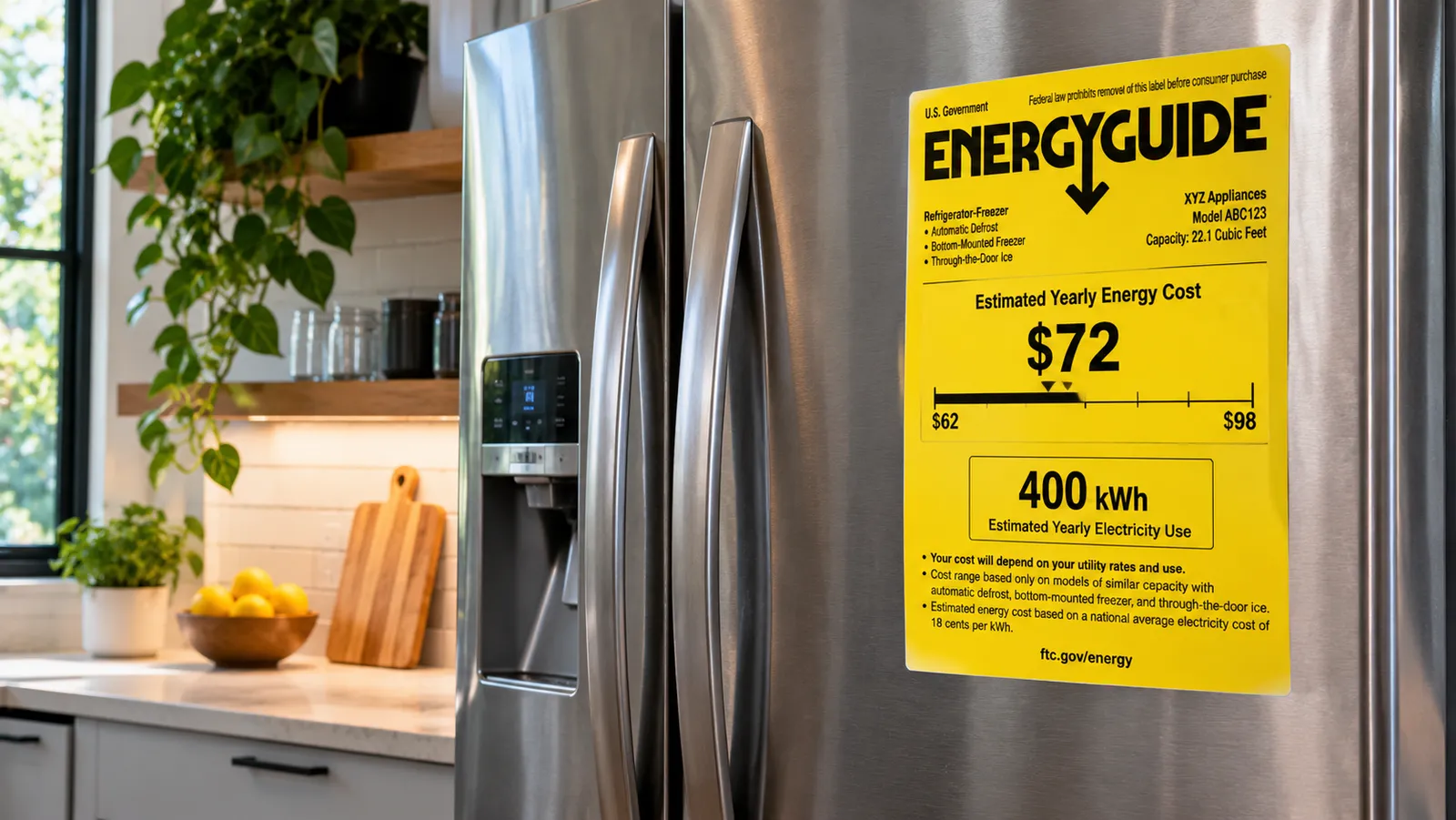
How Much Electricity Does a Refrigerator Use?
Why a fridge's yearly kWh matters more than its wattage, and what newer and older models cost to run.
3 min read
Appliances & Electronics
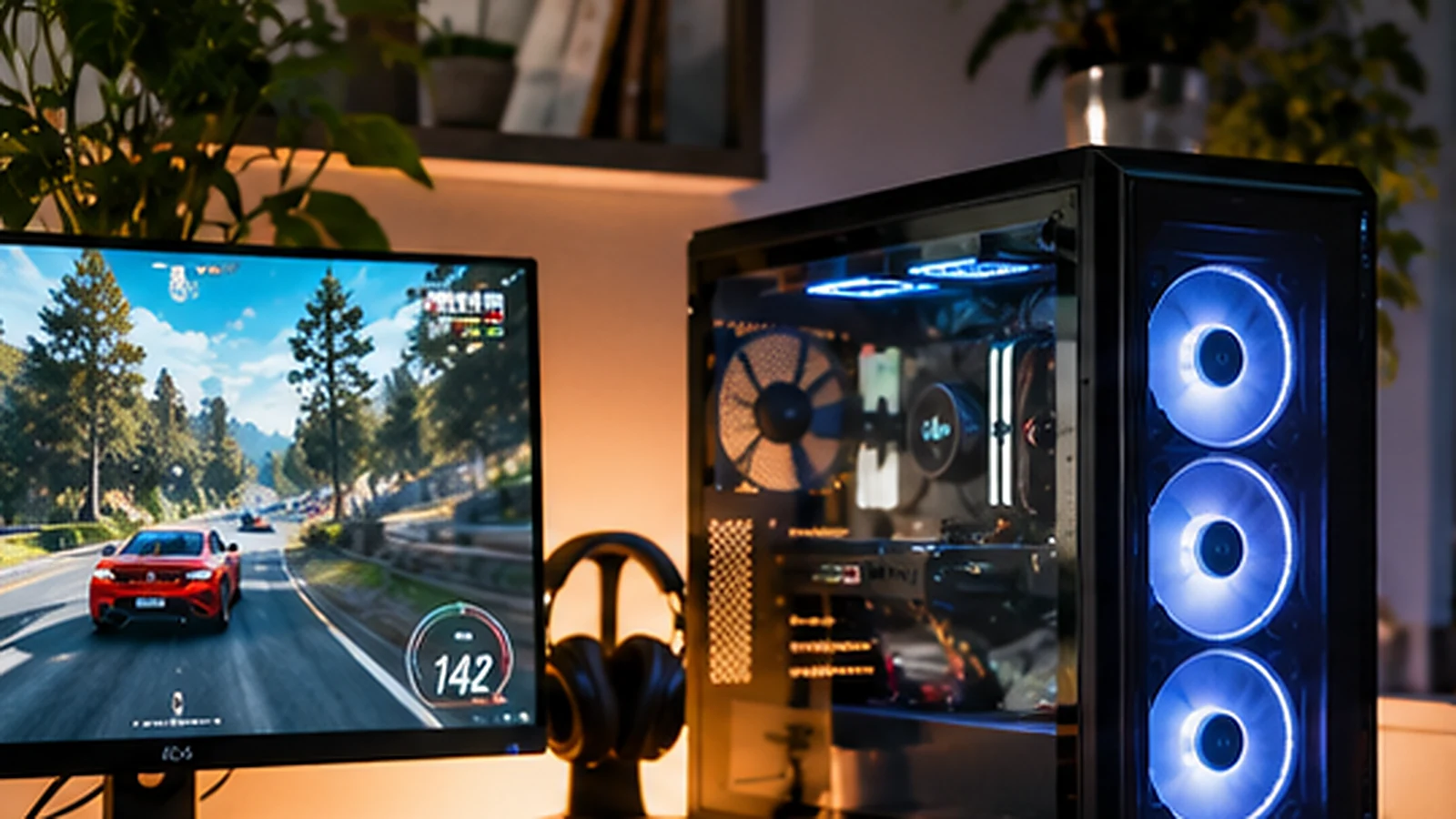
How Much Electricity Does a Gaming PC Use?
Gaming, idle and sleep power for real builds, plus monitors — and what that adds to your monthly bill.
3 min read