
Heating & Natural Gas
How to Calculate Your Natural Gas Bill
Therms, CCF and meter readings explained, with the fixed charges that set your bill's floor.
3 min read
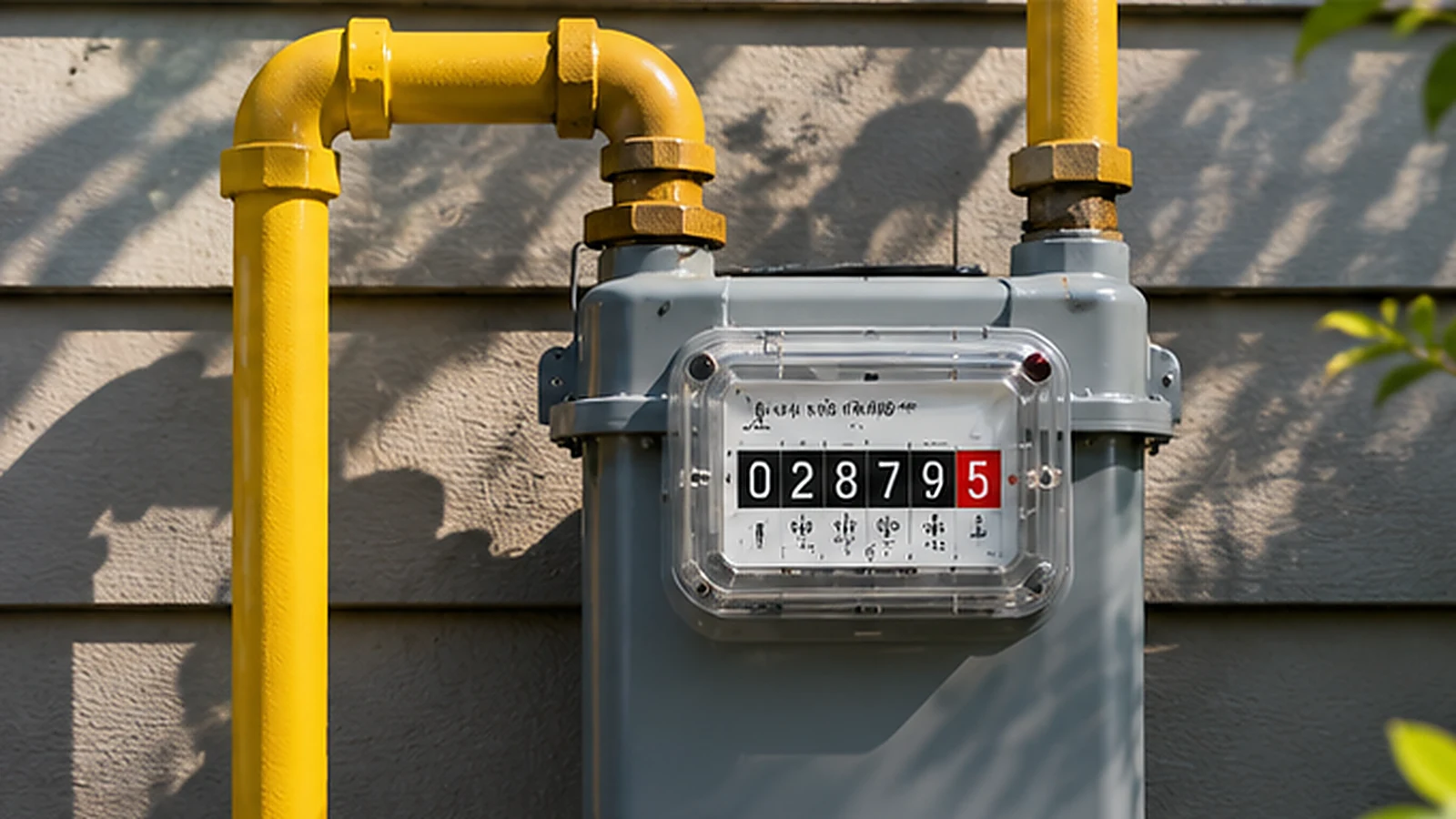
To estimate a natural gas bill, multiply the amount of gas used by the appropriate variable price, then add any fixed customer, delivery or other charges that apply. The catch is that your meter may measure volume, while your utility bills for energy content in therms. Converting between those quantities requires the gas heat-content factor shown on the statement or specified by the utility.
Understand therms and CCF
A therm represents 100,000 British thermal units (BTU) of energy. A Ccf represents 100 cubic feet of gas volume. They aren't automatically the same thing because the amount of heat in a cubic foot of natural gas varies.
The U.S. Energy Information Administration reports that in 2025, average gas delivered to end-use sectors contained approximately 1,037 BTU per cubic foot. Under that assumption, 1 Ccf equals about 1.037 therms. Your utility's billing heat factor can differ and should take precedence over this national illustration.
A worked gas-bill example
Suppose a meter shows consumption of 80 Ccf during a period, the gas heat factor is 1.037 therms/Ccf, and the combined illustrative variable charge is $1.40/therm.
- Convert volume to therms: 80 × 1.037 = 82.96 therms.
- Calculate energy charges: 82.96 × $1.40 = $116.14 (rounded).
- Add an example fixed customer charge of $15: $131.14, before any other fees or taxes.
This is a fabricated example tariff for teaching the calculation, not a current market rate. The real bill may show separate commodity and distribution rates, adjustments, taxes, surcharges or minimum charges.
Read the tariff, not just a headline gas price
A low advertised commodity rate doesn't necessarily describe the final variable cost of using another therm. Distribution charges can be billed per therm, and delivery service may carry fixed monthly fees. Some utilities use different summer and winter rates; purchased-gas adjustments may change during the year. On a tiered tariff, calculate each block separately.
For budgeting, distinguish the portion of the bill that remains even with minimal gas use from the portion that changes with therms consumed. A fixed customer charge is not an avoidable cost of one more therm, but it still belongs in the expected total monthly bill.
How much gas does home heating use?
Home heating can be a major source of seasonal variation, but your gas meter may also serve a water heater, cooktop or dryer. To approximate heating use, compare cold-weather therms with warmer months, adjusting for differences in billed days. The result is only a rough estimate because hot-water and cooking use can also change.
Furnace fuel input is not identical to heat delivered indoors. For a simplified estimate, a 90%-AFUE gas furnace using 100 therms of fuel provides approximately 90 therms' worth of useful seasonal heat under the rating assumption. Real installations and operating conditions may differ.
Double-check your meter readings and units
A bill may show actual or estimated reads, meter multipliers and a therm conversion factor. Confirm the units before applying formulas. If the invoice already states therms, do not multiply by the heat factor a second time. If it shows CCF with a specified therm factor, use that factor. For complex billing questions, your utility's tariff and customer service are authoritative.
Use the Natural Gas Cost Calculator for your units and rates. To compare fuel costs with electric heat, read how much it costs to heat a house. For full household budgeting, see monthly utility costs.
A useful gas estimate preserves three separate numbers: volume measured, heat content billed, and dollars charged. Mixing them is the most common reason a hand calculation doesn't match the statement.
Sources and further reading
More on heating & natural gas
Heating & Natural Gas
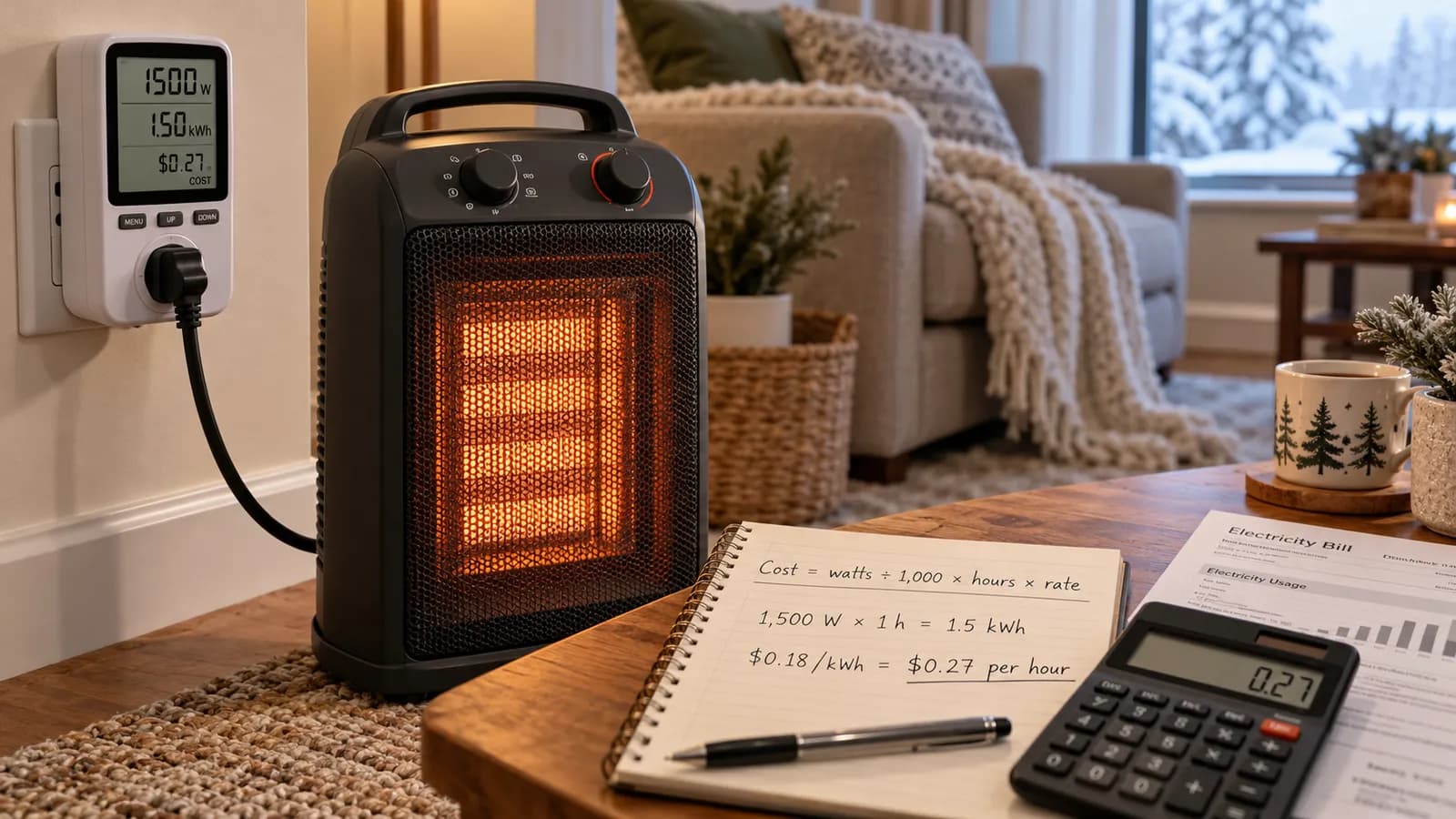
How Much Does It Cost to Run a Space Heater?
What a 1,500-watt heater really costs per hour, day and winter — and how the thermostat changes the math.
3 min read
Heating & Natural Gas
How Much Does It Cost to Heat a House?
Home size, climate, fuel and equipment efficiency — what actually sets your winter heating bill.
3 min read